Hot Water Services in Botany
1000+ five-star reviews
Botany grew up as a working port town along the bay's northern shoreline, a place where houses and factories have long stood side by side. Its Federation terraces, fibro cottages, post-war brick homes and low-rise apartments hold hot water systems of every age, and this page routes you to the right one.
- $0 Call Out Fee
- Lifetime Labour Warranty
- Licensed & Insured

- Lic #275278C
- Licensed & Insured
- $0 Call Out Fee
- Lifetime Labour Warranty
- On-Site Fast, 24/7
- 1000+ five-star reviews
- Real Humans Answer, Day or Night
- Lic #275278C
- Licensed & Insured
- $0 Call Out Fee
- Lifetime Labour Warranty
- On-Site Fast, 24/7
- 1000+ five-star reviews
- Real Humans Answer, Day or Night
- Lic #275278CNSW plumbing licence, fully insured, water and gas
- $0 Call Out FeeIt costs nothing to get us to your door
- Lifetime Labour WarrantyIf it's not right, we come back. No questions. No cost.
- 1000+ five-star reviewsSydney homeowners have rated us five stars over a thousand times
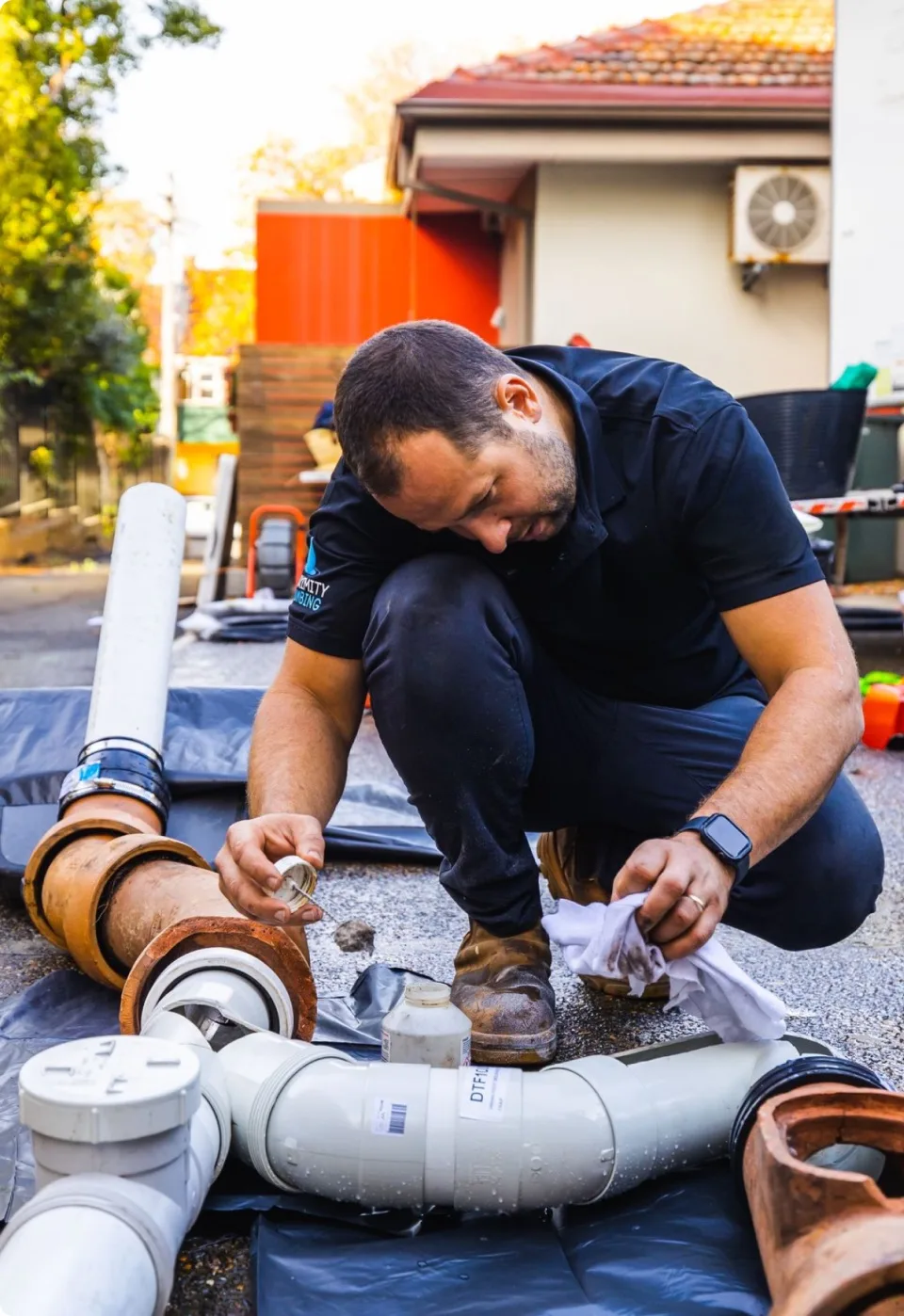
Local, coastal, and used to these homes
From the Botany Road strip to the quiet streets around Sir Joseph Banks Park, the housing here was laid down across a century of very different building eras. Each era plumbs its hot water a little differently, and knowing those quirks is half the job done before we arrive.
- Federation terraces with narrow side runs and shared boundary walls
- Fibro cottages where the original heater somehow still hangs on
- Post-war brick and the newer low-rise blocks kept low by the airport height limit
- Mid-rise apartments sharing risers, walls and building services
That spread of eras is exactly why a single hot water answer never fits an entire street.
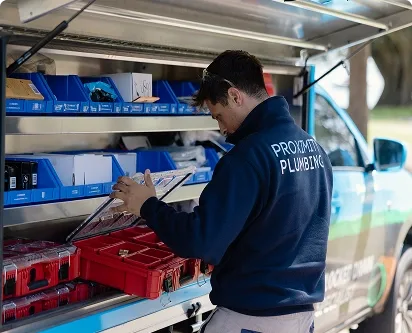
When your hot water starts to struggle
Hot water rarely quits in a single moment. The early warnings usually arrive weeks ahead, if you know what to watch for:
- Water that runs lukewarm or cools halfway through a wash
- Rusty or discoloured water at the hot tap
- Puddles, drips or fresh rust around the base of the tank
- Banging, rumbling or hissing from the unit as it heats
- A pilot light that keeps going out and will not stay lit
- A sudden jump in the gas or power bill with no change in use
Catch any one of these and a quick call to (02) 9072 0502 beats waiting for a slow fault to turn into a flooded laundry.

What to do the moment it fails
If a unit lets go, a couple of calm steps limit the mess before we arrive. Shut the water off at the isolation valve on the system, and keep clear of any pooling water underneath.
- Close the isolation valve feeding the unit to stop the flow
- Isolate the power to an electric unit at its dedicated switch
- If you smell gas near a gas unit, shut the gas off and call from outside
- Move any stored boxes or belongings clear of the leaking unit
Then ring us and describe what you are seeing, and we will talk you through the rest until a plumber is on the way to you.
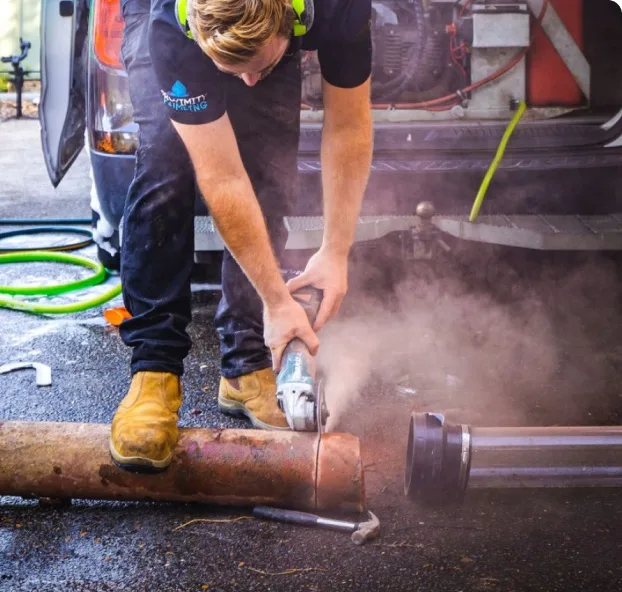
Ageing hot water in Botany's older homes
Plenty of older workers' cottages and interwar brick bungalows here still run the hot water unit fitted during their last renovation, and many are past their tenth summer. As they near the end of their service life these tanks lose efficiency, weep at the seams and struggle to keep pace with a modern household.
Around the suburb the same three stories repeat:
- Original cottages where the tank was sized for a far smaller family
- Post-war brick homes on their second or third owner and their first-ever swap
- Renovated terraces where the old unit was never upsized to match the new bathroom
The steady renovation of the area's terraces and cottages keeps hot water high on the list, because a reworked kitchen or bathroom almost always outgrows the heater that once fed the original layout.
Explore our hot water services
Every hot water job in the suburb sorts into one of six areas. Pick the one that matches your situation and follow the link for the full detail:
Hot Water Replacement
When a cylinder is corroded, leaking or simply worn out, replacement swaps it for a system sized to the household of today rather than the one that first moved in. We match like for like where it makes sense, or step you up to a more efficient unit that costs less to run.
- Old units past their service life in established cottages
- Upgrades that suit a growing family or a bigger bathroom
- Efficient models that trim ongoing running costs
Hot Water Installation
Building, extending or moving the unit to a smarter spot? Installation covers brand-new systems and the fresh pipework behind them, planned around the layout of a narrow terrace, a fibro cottage or a modern rear extension.
- First systems for new builds and full renovations
- Relocations that free up space inside the home
- Runs, falls and clearances set neat and compliant
Hot Water Repair
A failed thermostat, a stuck valve or a dead heating element often costs far less to fix than to swap the entire unit. A well-timed repair coaxes a serviceable system back to full heat and buys back years of life, especially on a tank that is otherwise sound.
- Thermostats, valves, elements and pilot assemblies
- Leaks at fittings rather than through the tank wall
- Quick diagnosis before you commit to anything new
Gas Hot Water Systems
Storage cylinders and continuous flow gas units make sense wherever a home already carries a gas line. They recover heat quickly and suit larger households that draw water steadily from morning to night, and continuous flow models add the bonus of never emptying a tank.
- Storage and continuous flow options for gas-connected homes
- A strong fit for busy family bathrooms
- Rapid recovery for back-to-back showers
Electric Hot Water Systems
For a home with no gas connection, electric storage stays the straightforward, dependable choice. Wired to an off-peak tariff, a correctly sized tank heats overnight and holds running costs steady right through the year, with fewer moving parts to go wrong.
- Off-peak storage where no gas reaches the home
- Simple, reliable heating for units and smaller homes
- Fewer moving parts and easy ongoing upkeep
Instant Hot Water Systems
Continuous flow units heat water only as you draw it, so they never run dry and free up the cupboard or wall space a bulky tank once swallowed. That compact footprint is a real win in a tight terrace or a small apartment where every metre counts.
- Endless hot water with no storage tank to house
- Space saved in cramped laundries and side passages
- A neat fit for heritage terraces and walk-up flats

Salt air, sea breezes and older gas fittings
Sitting right on the bay, this suburb takes the full brunt of salt-laden breezes that inland streets never feel. That salt settles on tanks, valves and any exposed pipework, quietly eating at the metal and cutting short the working life of a system left unprotected.
The wear shows up in familiar places:
- Tanks and outdoor units corroding faster than the maker's rating suggests
- Valves and tempering gear seizing as salt and moisture build up over time
- Exposed copper and brass fittings pitting along their runs near the coast
Older gas fittings are the other Botany quirk. Federation terraces and mid-century homes often keep decades-old gas pipework and connections that want checking and updating before a fresh gas system is allowed to go in.
Servicing that stretches a system's life
A hot water system is one of the few appliances that rewards a little attention. Near the coast especially, a simple service schedule holds off the salt and adds years before a replacement is ever needed.
- Checking and renewing the sacrificial anode before it lets the tank corrode
- Testing the tempering and pressure relief valves so they release safely
- Flushing sediment that settles at the base and steals heating efficiency
- Inspecting the flue and burner on gas units for safe, clean combustion
Water pressure and the valves behind it
Hot water performance is only as good as the pressure and the valves feeding it. An ageing pressure limiting valve or a tired tempering valve can leave a perfectly healthy tank delivering weak or scalding water at the tap.
- Pressure limiting valves that have quietly drifted out of range
- Tempering valves that no longer hold a safe delivered temperature
- Inlet and outlet fittings slowly restricting the flow you feel
When we look at a hot water complaint we check the valves and the incoming pressure first, because the cure is sometimes a small part rather than a whole new system.
Hot water in the local apartments and units
The airport's long-standing cap on building height shaped a suburb of low-rise blocks and walk-up units alongside the freestanding houses. In those buildings the heater is often tucked into a cupboard, a balcony recess or a shared riser, which changes what will physically fit.
- Cupboard and balcony installs where floor space is scarce
- Access and clearance checks before anything is ordered
- Compact units that suit a walk-up or a small flat
We plan swaps and installs around that reality, working with the access, the clearances and the body corporate rules that unit living brings. A compact continuous flow model frequently solves the very space problem a bulky tank first created.
Renovations that outgrow the old heater
Renovation is near-constant on the suburb's terraces and cottages, and a heater sized for the original three rooms rarely keeps up with a modern open-plan home. A second bathroom or a generous rain shower can leave an old tank gasping halfway through the morning.
- New bathrooms and ensuites that quietly add draw
- Kitchens relocated well away from the original heater
When we plan the plumbing for a renovation, we size the heater for the completed home instead of the one being pulled apart, so the hot water keeps pace long after the builders pack up.
How the different systems fail
Each type of system shows its age in its own way, and the right fix follows the fault:
Gas units tend to lose the pilot or the burner, or the heat exchanger slowly furs up with scale.
Electric units usually drop an element or a thermostat and go stone cold without much warning.
Instant units often throw an error code or falter on flow once a sensor or the ignition starts to tire.
Any type can simply reach the end of its life, at which point another repair only delays the inevitable.
Gas units
tend to lose the pilot or the burner, or the heat exchanger slowly furs up with scale.
Electric units
usually drop an element or a thermostat and go stone cold without much warning.
Instant units
often throw an error code or falter on flow once a sensor or the ignition starts to tire.
Any type
can simply reach the end of its life, at which point another repair only delays the inevitable.
Gas, electric or instant: choosing a system
The best fit hinges on the gas connection, the size of the home and how hard the household leans on hot water each day:
Gas suits gas-connected homes
Electric suits simplicity
Instant suits tight spaces
Sizing for the household
Get the size wrong and you either shiver through the mornings or pay to warm a tank no one draws from. A single occupant, a young family and a full house all place very different loads on a heater, so we match the system to genuine demand rather than the sticker on the box.
Repair or replace? Making the call
When a unit fails, the honest question is whether it is worth saving. A repair tends to win while the system is still relatively young, the cylinder is sound, and a single failed part explains the whole problem.
Lean toward a repair when
Lean toward a new system when
Either way, you get a written price for both paths before anything happens, so the decision stays firmly in your hands.
Winter demand in the older cottages
Demand climbs through the cooler months, and the suburb's older uninsulated cottages feel it first. A tank that coped all summer can fall behind once every shower runs hot and long, which is precisely the moment a marginal system finally shows its true age.
Booking a service before winter, or replacing a unit already on borrowed time, keeps the mornings warm right through the season without a nasty cold surprise.
How it works
How a hot water job works
- 01
Call us and talk to a plumber
Speak to a licensed plumber, not an answering machine. Tell us what's going on and we'll tell you what happens next.
- 02
We turn up when we say we will
Your plumber arrives on time, in a stocked van, ready to start, not ready to have a look and come back next week.
- 03
Fixed price before we lift a spanner
You get the full price in writing before any work begins. No surprises, no obligation. If you say no, that's fine. The call out cost you $0.
- 04
Fixed right, backed for life
The work is done properly, tested, and covered by our Lifetime Labour Warranty. If it's not right, we come back. No questions. No cost.
Why Botany homeowners choose us
Four promises hold on every hot water call:
The price we quote is the price you pay. No exceptions
Every job is priced upfront, in writing, before work starts. Weekend or weekday, day or night, with no overtime surprises.
$0 Call Out Fee
Getting us to your door costs nothing. You only ever pay for work you've approved.
Licensed & insured, Lic #275278C
Every plumber on the team is fully licensed and insured. Your compliance certificates are sorted, every time.
Lifetime Labour Warranty
Our workmanship is guaranteed for life. If it's not right, we come back. No questions. No cost.
Fair, upfront pricing. No surprises.
Upfront pricing, no hourly surprises
Upfront fixed pricing. No hourly surprises.
We don't charge by the hour, and we don't do estimates that grow. Your plumber assesses the job, gives you a fixed written price, and that's what you pay. The price we quote is the price you pay. No exceptions.
- $0 call out: the assessment and quote cost you nothing
- One fixed price, in writing, before any work begins
- No overtime rates: nights and weekends priced the same way
- Card, cash and payment plans accepted
No surprises, no obligation. If the price doesn't work for you, you owe us nothing.
The price we quote is the price you pay. No exceptions.
Good questions, straight answers
Hot water questions from Botany locals
How long should a hot water system last here?
Storage tanks typically give eight to twelve years, though the salt carried in on the sea breeze can shorten that. Continuous flow units often run longer with basic servicing.
Should I repair or replace my hot water system?
If the unit is under roughly a decade old, the tank is sound and one part has failed, a repair usually wins. Once the tank wall itself starts to leak, a new system is the smarter spend.
Gas, electric or instant: which should I choose?
It hinges on your gas connection and daily demand. Gas fits homes with a gas line and heavy use, electric fits homes without a gas line, and instant fits smaller spaces wanting endless flow.
Do you handle hot water emergencies after hours?
Yes. A licensed plumber answers day or night, so a tank weeping through the ceiling or a cold shower at dawn gets a real response, not a callback slip.
Why do units near the bay corrode faster?
Salt-laden breezes settle on tanks, valves and exposed pipework and speed up rust. Systems sheltered from the wind or fitted with the right sacrificial anodes last noticeably longer.
What size hot water system do I need?
Size follows genuine demand, not the box. We weigh how many live in the home and when they draw the most, so you neither run cold nor waste power heating water that sits unused.
Can you install a system in a heritage terrace?
Yes. We work around tight side passages, shared walls and older pipework common in Federation terraces, and confirm any gas or clearance requirements before the new unit goes in.
More than hot water across Botany
Your hot water sits inside a wider service network. Reach our emergency plumbing team for after-hours failures, tackle everyday jobs through general plumbing and clear blocked lines with drainage, or head back home for the full picture.
Need a plumber in Botany? We're ready now.
Need a plumber in Botany? We're ready now.
Call (02) 9072 0502 and speak to a licensed plumber, not an answering machine, 24/7, including weekends and public holidays. Prefer a callback? Leave your details and we'll call you back fast, day or night.
Call (02) 9072 0502. $0 call out, fixed price before any work begins.